Practical travel information for America
Planning a holiday to the United States? This guide covers everything you need to know for a smooth and enjoyable journey. From visa and entry requirements to driving tips, money matters, health and safety advice, and staying connected on the road - we’ve got you covered.


Key travel tips at a glance
Here’s a quick overview of the things you need to know before you travel to the United States of America.
Passport: A valid passport and ESTA is required for entry
Currency: US dollar (USD), cards widely accepted
Languages: English
Driving: On the right-hand side of the road
Flights: Domestic flights connect major cities and regions
Mobile coverage: Excellent in cities, limited in rural or mountainous areas
Power: Type A/B, 120V; adapter required
Weather: Varies greatly by region and season
Visa and entry requirements
Passports
Ensure your passport is valid for at least six months beyond your planned return date. If it’s due to expire, renew it before applying for travel authorisation. Each traveller, including children, must hold their own passport.
For more details on passport validity, click here.

ESTAs and Visas
British passport holders travelling to the USA for tourism can apply for an ESTA (Electronic System for Travel Authorization) under the Visa Waiver Program. This allows stays of up to 90 days per visit and is valid for two years (or until your passport expires).
Applications must be made online via the official U.S. Customs and Border Protection website, and approval is usually granted within minutes, though it’s best to apply at least two weeks before your trip.
If you’ve visited certain countries since 2011 or have been previously denied an ESTA, you may need to apply for a B-2 Tourist Visa instead.
Foreign travel advice
For the latest Foreign Office travel advice, including security and local laws, plus passport and visa information, please visit the UK Government’s foreign travel advice page before booking and again before you travel.
Health and safety
Travelling to the USA is generally safe. As always, use the same common sense you would at home. And don't hesitate to ask your hosts for local tips, they'll be more than happy to help.
Vaccinations
Before travelling to the USA, make sure your routine vaccinations are up to date and check whether any health requirements apply to your trip. You should seek advice on recommended vaccinations and precautions from a health professional, such as a GP, practice nurse, pharmacist or travel health clinic, ideally at least eight weeks before departure.
Further travel health advice can be found on TravelHealthPro.
Healthcare and insurance
Healthcare in the USA is high quality, but medical treatment can be very expensive. Travel insurance is strongly recommended and should be arranged as soon as possible after booking. Your policy should cover the cost of cancellation, medical treatment, emergency assistance and repatriation.
Make sure your cover is suitable for your full itinerary, including any car hire, domestic flights, national parks, outdoor activities, winter sports, or longer stays.
 © Utah Office of Tourism
Medication
If you take prescription medication, bring enough to last your entire trip, along with a copy of your prescription and a doctor’s letter if possible. Keep medicines in their original packaging and check U.S. Customs regulations before you travel, as some medications available in the UK are restricted in the USA.
Sun safety
In many parts of the USA, particularly the southern and western states, the sun can be very strong. Use high-SPF sunscreen, wear a hat and sunglasses, and stay hydrated throughout the day. Tap water is generally safe to drink across the country.
Personal safety
The USA is generally a safe country for visitors. As in any popular destination, take sensible precautions: keep valuables out of sight, avoid leaving belongings unattended, and stay alert in crowded areas and at night.
Wildlife safety
The USA is home to diverse wildlife, from bears and bison in the national parks to alligators in the south. Always observe animals from a safe distance and follow park guidelines. In wooded/grassland areas, use repellent to protect yourself against ticks and mosquitoes.
Swimming and ocean safety
If you’re visiting coastal areas, be aware of strong currents and rip tides. Swim only at patrolled beaches and follow local lifeguard advice. Freshwater lakes and rivers can also have variable depths and hidden currents, so take care when swimming.
Weather and natural hazards
The USA’s climate varies widely by region and season. Some areas may experience extreme weather at certain times of year, so it’s best to check local forecasts before travelling or heading into the great outdoors.
Emergency services
For police, ambulance, or fire emergencies, dial 911 (or 112, which redirects to 911).


Money and payments
The local currency in the United States is the US Dollar (USD). You can exchange money at banks, currency exchange offices, or withdraw USD from ATMs, which are widely available in cities and airports.
Credit and debit cards are accepted almost everywhere, though it’s wise to carry a little cash for small purchases, tips, or in rural areas where card facilities can be limited.
Sales tax
Prices are usually shown before sales tax, which varies by state and city (often 5-10%) and is added at checkout.
Tipping
Tipping is customary in the USA and forms part of the service industry culture. In restaurants, a tip of 15–20% of the total bill is standard for good service. For other services, such as taxis, hotel porters, or bar staff, small tips are appreciated. Some restaurants automatically add a service charge.
Transportation in the USA
Getting around the USA is straightforward thanks to its extensive network of domestic flights, car hire, trains, and buses.
The country’s sheer size means that long distances are often best covered by air, while self-drive holidays are ideal for exploring America’s national parks, small towns, and scenic routes at your own pace.
Major cities such as New York, Chicago, San Francisco, and Washington D.C. have well-developed public transport systems, including metros, buses, and trams. In smaller cities and rural areas, car hire offers the greatest flexibility, particularly for reaching remote natural attractions.
Driving in the USA
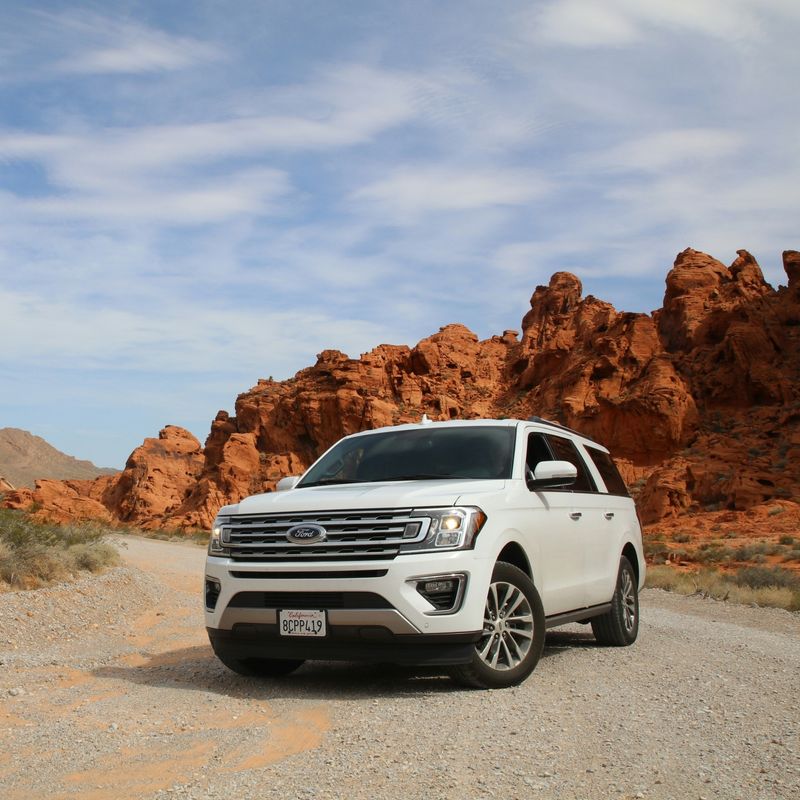
Driving in the USA is generally straightforward, with well-maintained highways and clear road signage. Vehicles drive on the right-hand side, and speed limits are shown in miles per hour.
Always obey local traffic laws, including strict drink-driving limits and seatbelt regulations. Top tip: You may turn right on a red light after a complete stop, unless otherwise signposted.
British licence holders can drive in the USA using their UK driving licence. Rental cars are widely available at airports and major cities, with insurance typically included, but always check the coverage before you set off.
Petrol (“gas”) is sold in gallons, typically in three grades: regular (87), mid-grade (89), and premium (91–93). Distances between destinations can be long, and fuel stations may be sparse in rural areas or national parks. Plan routes in advance, carry water and snacks, and take regular breaks.
For peace of mind, consider booking your trip with experienced USA travel specialists who can arrange your car hire, insurance, and routes for a smooth, worry-free journey.
Public transport
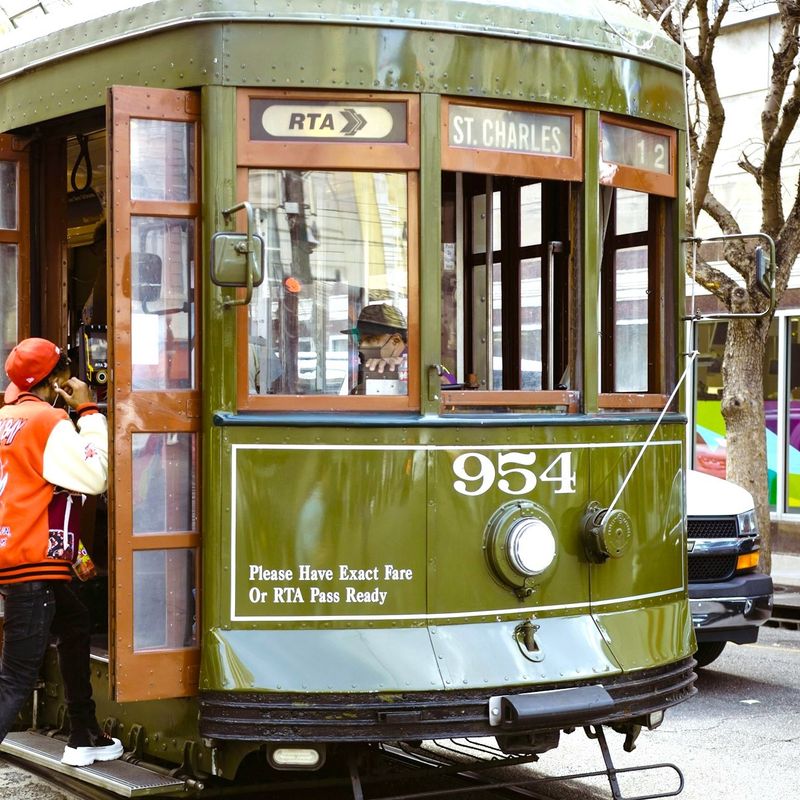
Public transport in the USA varies by region. Major cities like New York, Boston, Chicago, and Washington D.C. offer excellent metro and bus systems, while others rely more on trams or ride-share services such as Uber and Lyft.
For longer journeys, Amtrak trains and long-distance buses (such as Greyhound or FlixBus) provide scenic and affordable ways to travel between states. Domestic flights are often the quickest way to cover vast distances, especially between the east and west coasts.
Check timetables and book tickets online in advance where possible. Many urban transport networks accept contactless payments or travel passes for convenient access to multiple journeys at discounted rates.

Connectivity and mobile use
The USA has excellent mobile and internet coverage, especially in cities and along major travel routes. Remote areas, such as national parks or rural mountain regions, may have limited signal, so it’s best to download maps for offline use before you travel.
Local SIM cards and eSIMs are easy to purchase at airports, mobile shops, or online before departure, offering affordable data plans for short stays. Most hotels, cafés, and public spaces provide free Wi-Fi access.
The United States uses Type A and Type B power outlets (two or three flat pins), so you’ll need a plug adapter for UK devices. The standard voltage is 120V, so check your electronics are compatible before use.
Best time to visit the USA
The best time to visit the USA depends on the type of experiences you’re seeking and the regions you plan to explore. For comfortable weather and fewer crowds, spring (March to May) and autumn (September to November) are ideal.
For a more detailed look at when to go, including regional highlights, temperatures, and seasonal activities, check out our dedicated travel time page.

Climate in the United States
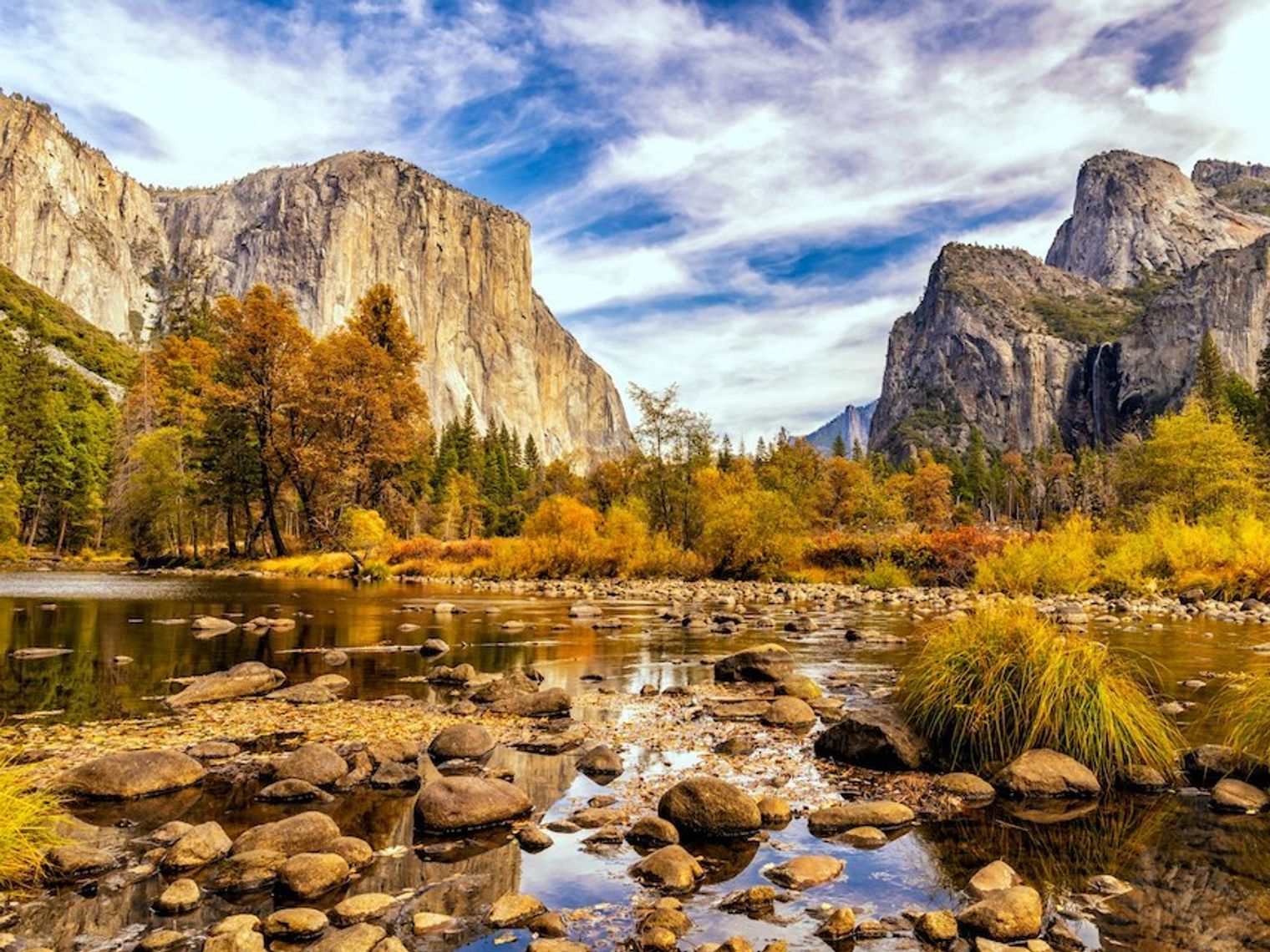
The USA spans several climate zones from Alaska's arctic tundra to Hawaii's tropical sunshine. Be prepared for changing conditions if you're travelling through multiple regions.
West Coast: California, Oregon and Washington have a mild climate with wet winters and warm, dry summers.
Southwest: Arizona and New Mexico have a desert climate with hot summers and mild winters, with large temperature differences between day and night.
Midwest: Illinois, Michigan and Ohio have hot summers and cold, snowy winters.
Southeast: Florida and Georgia are humid subtropical, with hot, humid summers and mild winters.
Northeast: New York and Massachusetts experience hot summers and cold, often snowy winters.
North: Alaska has a subarctic to arctic climate with long, cold winters and short, cool summers.
Time differences in the USA
The United States spans several time zones, and the time difference from the UK depends on where you’re headed:
Eastern Time (ET): Cities such as New York and Washington D.C., 5 hours behind the UK
Central Time (CT): Cities such as Chicago and Dallas, 6 hours behind the UK
Mountain Time (MT): Cities such as Denver and Salt Lake City, 7 hours behind the UK
Pacific Time (PT): Cities such as Los Angeles and San Francisco, 8 hours behind the UK
Alaska Time (AKT): Alaska, 9 hours behind the UK
Hawaii-Aleutian Time (HAT): Hawai‘i, 10 hours behind the UK
Frequently asked questions
Most British passport holders visiting the USA for tourism need an approved ESTA before travelling, rather than a visa. An ESTA usually allows visits of up to 90 days under the Visa Waiver Program, but some travellers may need a B-2 tourist visa instead, so always check the official guidance before applying.
We recommend applying for your ESTA as soon as your USA holiday is confirmed, and ideally at least two weeks before departure. Many applications are approved quickly, but applying early gives you time to correct mistakes or arrange a visa appointment if your ESTA is refused or not suitable.
Yes, British visitors can usually drive in the USA with a valid UK driving licence, and car hire is widely available at airports and major cities. You will drive on the right, speed limits are shown in miles per hour, and fuel is sold by the gallon, so the first day is worth keeping simple.