Best time to visit Canada
Canada’s seasons transform the landscape, from snow-covered peaks and golden autumn foliage to vibrant spring meadows and sunlit lakes. Understanding the best time to visit Canada will help you make the most of your adventure.
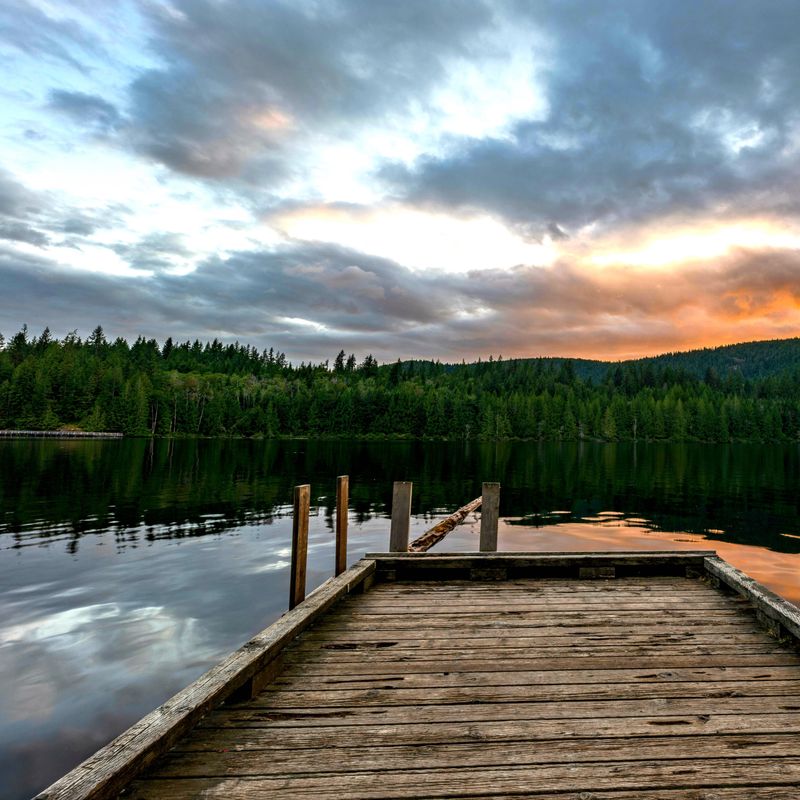
The best time to visit Canada
Canada’s seasons follow a similar pattern to those in Europe but with far greater contrasts, especially between summer and winter. There’s also remarkable regional diversity across this vast country.
Coastal regions such as British Columbia and Atlantic Canada enjoy milder seasons thanks to their temperate climates, while the Canadian Rockies shift dramatically from sun-drenched trails in summer to deep snow in winter. Understanding Canada’s seasonal rhythms will help you choose the destinations and experiences that best suit your travel style.
The shoulder seasons of spring and autumn strike the perfect balance: pleasant temperatures, fewer crowds, and great value. If your plans revolve around major events, skiing, or water-based adventures, summer or winter might be the ideal choice.
When we design your tailor-made Canada itinerary, our specialists draw on years of first-hand experience to match your interests with the seasons and regions that promise the most memorable journey.
Weather and seasons in Canada
Canada's seasons at a glance:
Spring (Mar-May): A vibrant season of blooming wildflowers, snowmelt, national park roads reopening, wildlife emerging from hibernation, and fewer crowds.
Summer (Jun-Aug): Long, sunny days perfect for hiking and kayaking. This is Canada's peak season, so expect big crowds and higher prices.
Autumn (Sep-Nov): Enjoy crisp air, golden forests, wine harvests, and quieter trails during this shoulder season.
Winter (Dec-Feb): Chase warm winter escapes, magical frozen lakes, snow-blanketed peaks, and the aurora in the far north.
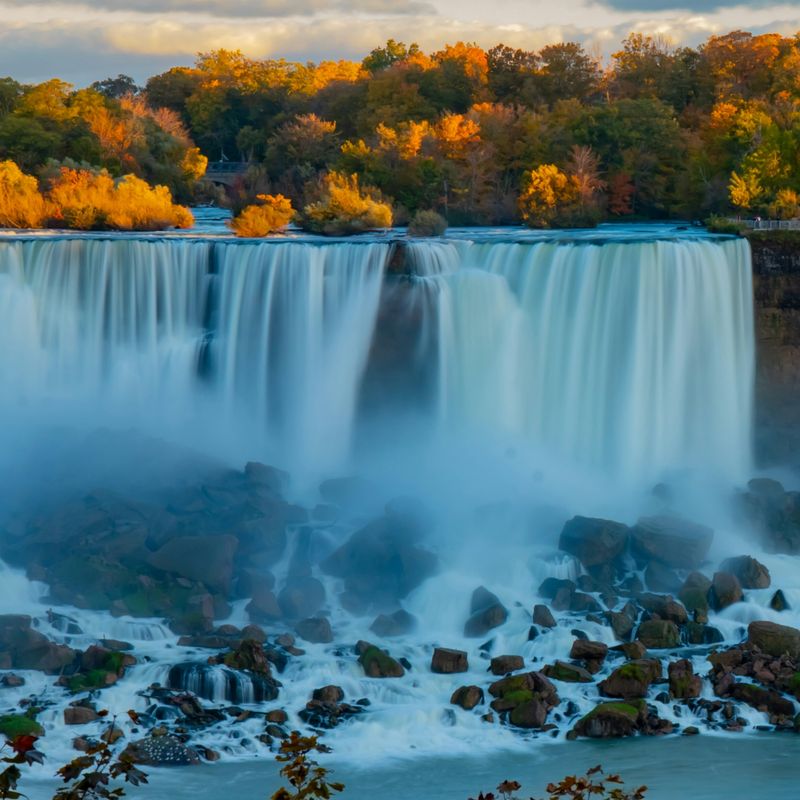
Spring in Canada
(March to May)
Spring marks a beautiful transition across Canada as snow begins to melt, waterfalls surge, and forests burst back to life. It’s an excellent time for hiking, wildlife spotting, and exploring cities and national parks before the summer rush. From Victoria’s blooming gardens to the awakening wilderness of the Rockies, this season shows Canada at its freshest and most vibrant.
Events and festivals
Vancouver Cherry Blossom Festival – April
Canadian Tulip Festival (Ottawa) – May
Niagara Falls Spring Festival – May
Victoria Day – late May
Montréal International Jazz Festival – late spring to early summer

Regional highlights
British Columbia comes alive with blossoming gardens, migrating whales, and pleasant conditions ideal for hiking around Vancouver Island.
In Alberta, melting snow reveals scenic trails and waterfalls in Banff and Jasper, while wildlife such as bears and elk emerge from hibernation.
Ontario and Québec enjoy longer days and colourful blooms, making cities like Toronto, Ottawa, and Montréal especially inviting for sightseeing.
Average temperatures
Daytime highs range from 8°C to 18°C across most regions, with warmer conditions in southern provinces and cooler temperatures in the mountains. Spring showers keep the landscapes lush and green.
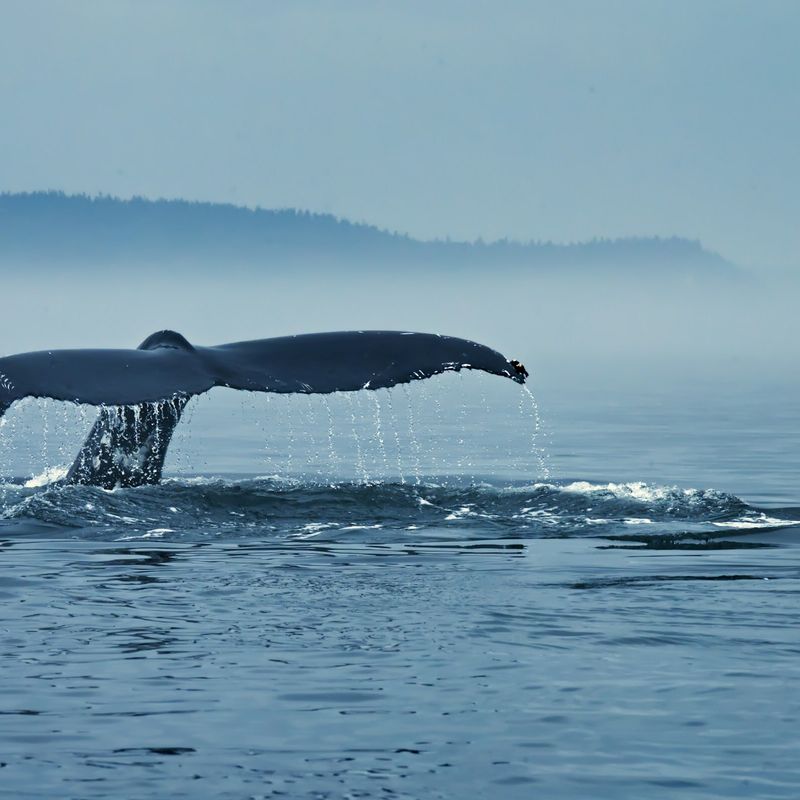

Summer in Canada
(June to August)
Summer in Canada means long, sun-filled days, vibrant festivals, and endless opportunities for outdoor adventure. It’s the perfect time for hiking, kayaking, whale watching, and exploring lively cities. As it’s peak travel season, popular destinations can be busier and accommodation and activities are more expensive.
Events and festivals
Montréal International Jazz Festival – June to July
Canada Day celebrations – 1 July
Calgary Stampede – July
Vancouver Folk Music Festival – July
Edmonton Fringe Festival – August
Regional highlights
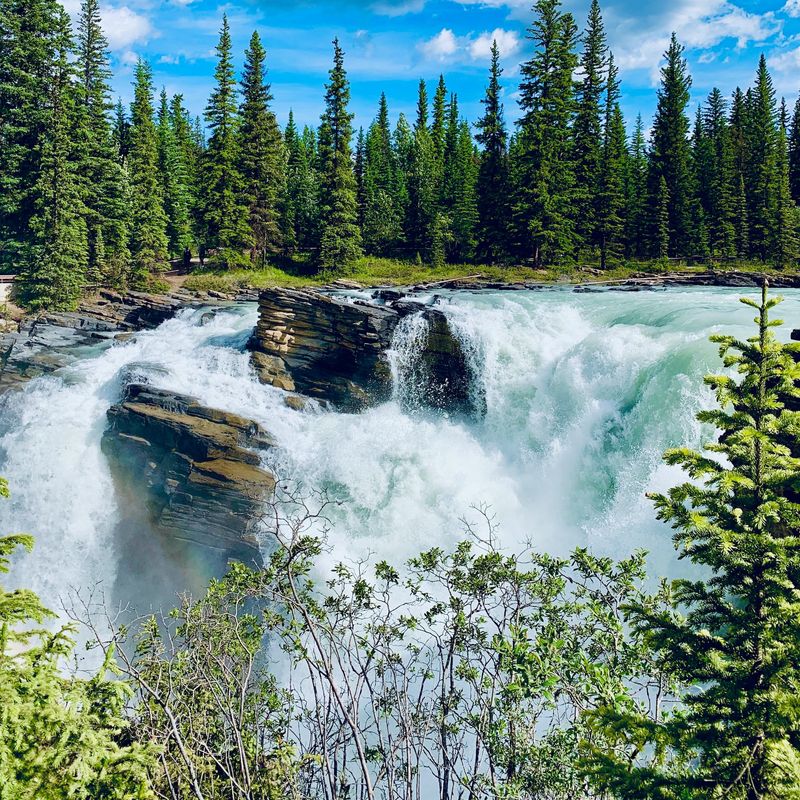
British Columbia and Alberta shine in summer, with alpine trails and turquoise lakes. Drive the spectacular Icefields Parkway between Banff and Jasper National Parks, and spot glaciers, waterfalls and wildlife along the way.
In Atlantic Canada, warm weather and calm seas make it ideal for whale watching, kayaking, and sampling fresh seafood along scenic coastal drives.
Ontario and Québec are abuzz with summer festivals, outdoor dining, and days spent by the Great Lakes or in the countryside.
Average temperatures
Daytime highs range from 20°C to 30°C in most regions, warmer in southern provinces and cooler in the mountains or along the coast.

Autumn in Canada
(September to November)
Autumn is one of the most spectacular times to experience Canada. Crisp air and peaceful trails make it a favourite season for many travellers. The crowds have thinned, wildlife is active before winter, and the landscapes glow with red, orange, and gold. It’s an ideal time for scenic drives, wine tasting, and exploring national parks in their full autumn glory.
Events and festivals
Niagara Grape & Wine Festival – September
Thanksgiving – early October
Celtic Colours International Festival (Nova Scotia) – October
Fall Okanagan Wine Festival – October
Pumpkinfest (Prince Edward Island) – October

Regional highlights
In British Columbia, the Okanagan Valley’s vineyards are in harvest mode, and coastal forests are drenched in colour.
The Canadian Rockies offer fresh hiking conditions, fewer visitors, and a chance to see wildlife preparing for hibernation.
Eastern Canada dazzles with world-famous fall foliage across Québec, Ontario, and the Maritimes, making autumn a dream season for photography enthusiasts.
Average temperatures
Daytime highs range from 8°C to 20°C across most regions, with cooler mornings and evenings. Expect mild, dry days in the west and a beautiful palette of colour across the east.
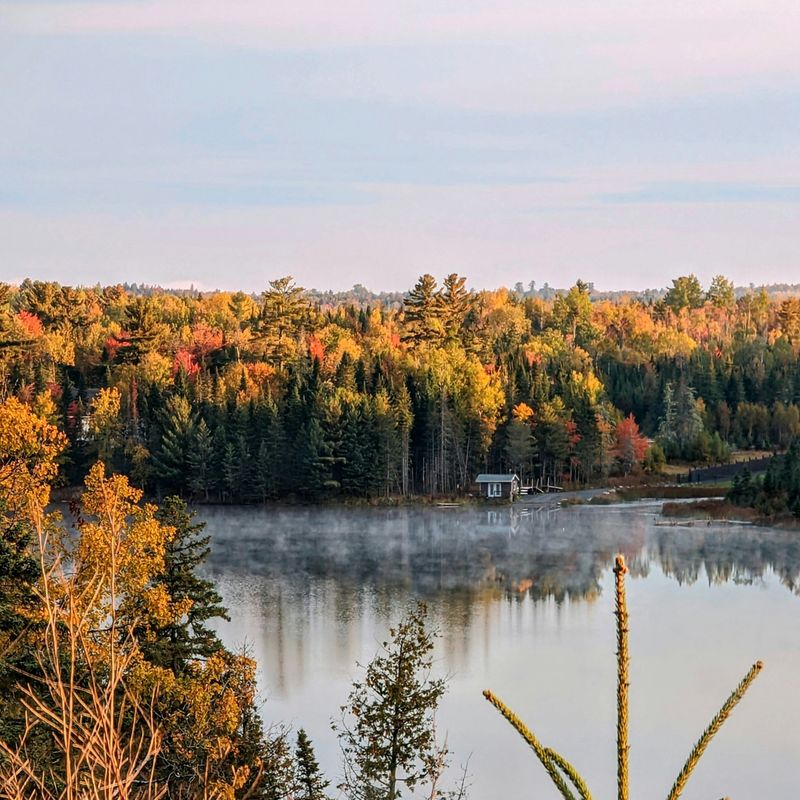
Winter in Canada
(December to February)
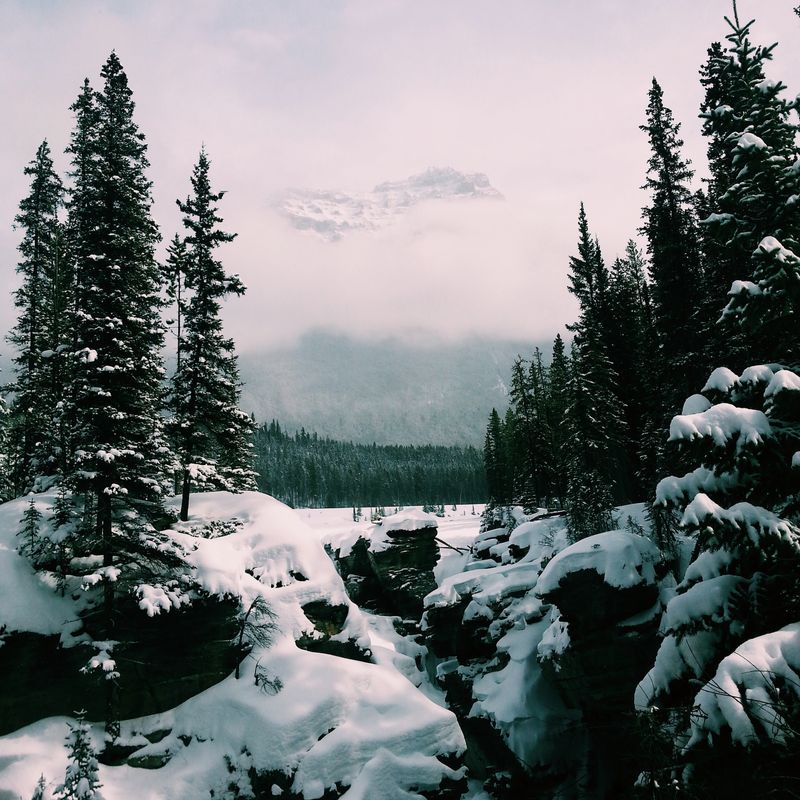
Winter is a time of breathtaking beauty in Canada, when snow-covered forests, frozen lakes, and twinkling lights transform the regions. It’s the season for skiing, snowshoeing, and spending cosy evenings by the fire. Whether you’re exploring festive markets or enjoying a peaceful wilderness retreat, winter in Canada is truly magical.
Events and festivals
Aurora Winter Festival (Vancouver) – December
Whistler Pride & Ski Festival – January
Banff SnowDays – January
Québec Winter Carnival – late January to February
Winterlude (Ottawa) – February
Regional highlights
In the Canadian Rockies, Banff, Jasper, and Whistler offer world-class skiing, snowboarding, and stunning winter scenery.
Québec City and Montréal are alive with festive charm, ice sculptures, and traditional winter celebrations.
In Northern regions such as Yukon and the Northwest Territories, you can witness the awe-inspiring northern lights.
Average temperatures
Winter temperatures vary across the country: around -5°C to 5°C in southern cities, -10°C to -20°C in the Rockies and Prairies, and much colder in the Arctic regions. Along the west coast, including Vancouver and Vancouver Island, conditions stay milder at 5°C to 10°C.

Example trips to Canada
Explore our thoughtfully designed itineraries to get a taste of what your personalised Canada holiday could look like. Our specialists will advise the best time of year to visit your preferred regions.



Frequently asked questions
The best time to visit Canada is usually May to June or September to October, depending on the route you have in mind. These months often bring comfortable weather, good availability and fewer busy periods than July and August. For the Rockies, summer opens up more hiking routes, while autumn is wonderful for colour in eastern Canada.
For many self-drive holidays, September is one of our favourite months to visit Canada. The weather is often still pleasant, popular routes are usually calmer after the main summer holidays, wildlife is still active while preparing for hibernation, and early autumn colours begin to transform the landscape. If fall foliage is what you're hoping to see, then early October is especially rewarding in Ontario, Québec and the Maritimes.
Summer in Canada runs from June to August, with long days, warmer weather and the widest choice of outdoor activities. It can be a lovely time for mountain routes, lake stays, wildlife viewing and national parks. July and August are also the busiest months, so we recommend booking your trip well in advance to secure the best activities and characterful accommodation.
Your tailor-made holiday to Canada
Now that you know what each season has to offer, you can choose the best time to visit Canada based on your interests.
Whether you’re drawn to spring’s wildflowers and fresh adventures, summer’s lively road trips and long days, autumn’s golden forests, or winter’s snow and northern lights, travelling to Canada promises unforgettable experiences in every season.
Browse our tailor-made Canada itineraries or speak with one of our travel specialists to start creating a holiday that’s perfectly suited to you.
