Yoho National Park
Yoho National Park may be quieter than Banff or Jasper, but it’s every bit as striking. This UNESCO World Heritage site is home to thundering waterfalls, emerald lakes, ancient landscapes, and the breathtaking views of British Columbia’s Rocky Mountains.

Highlights of the park
Emerald lake
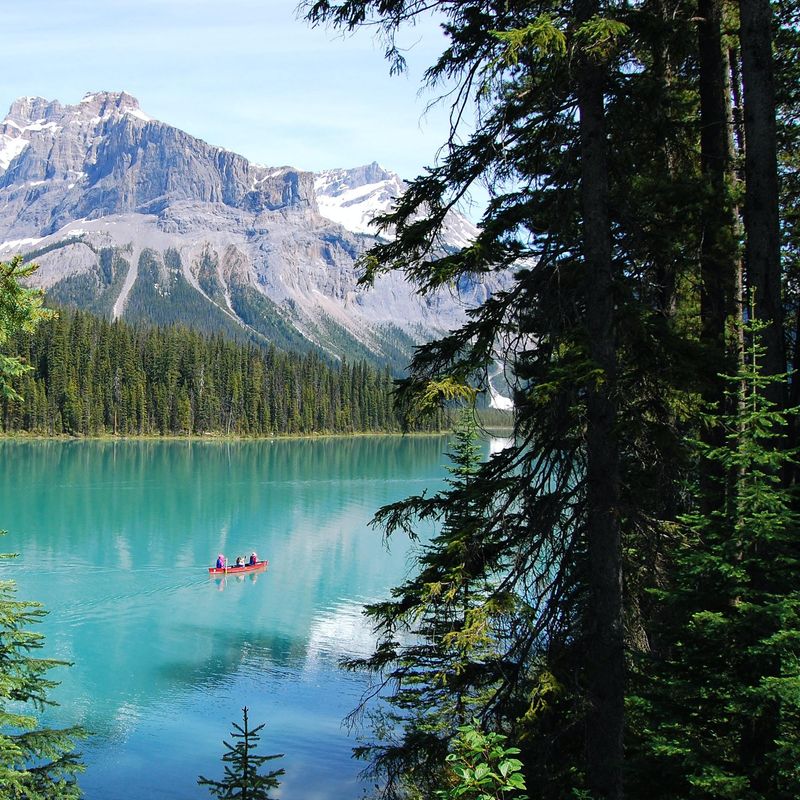
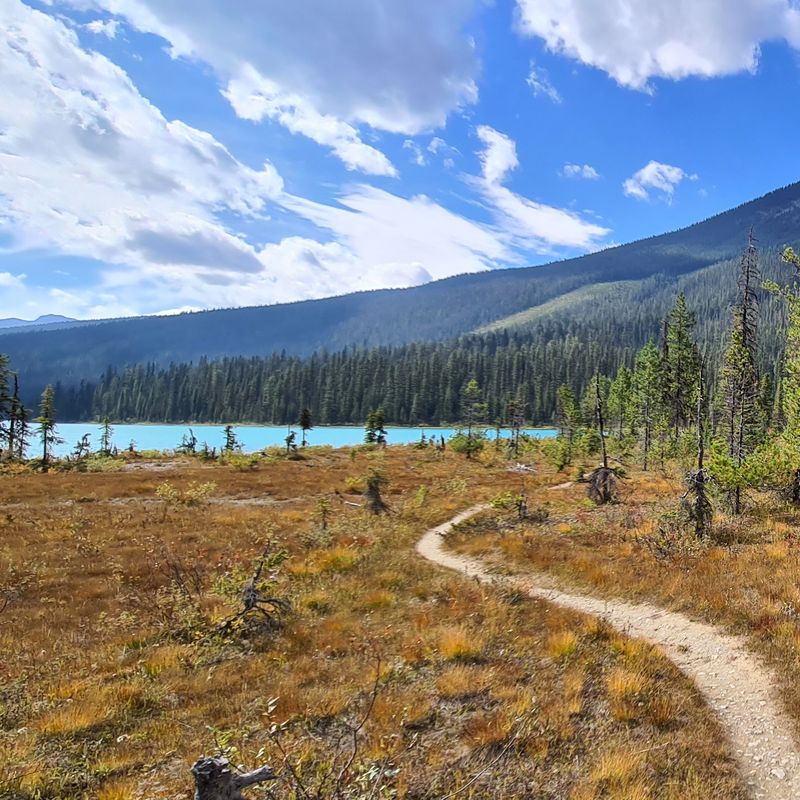
It would be remiss of you to not make a stop at Emerald Lake when visiting Yoho National Park. This is the largest lake in the park and a fine sight to behold. There is no question as to where Emerald Lake gets its name. The colour alone is enough to move you, but the surrounding mountain landscape leaves you speechless. Access to the lake is surprisingly easy, as it’s just a few kilometres off the Trans-Canada highway. A gentle walking trail that is about five kilometres around the lake is great for families and those looking to take it easy.
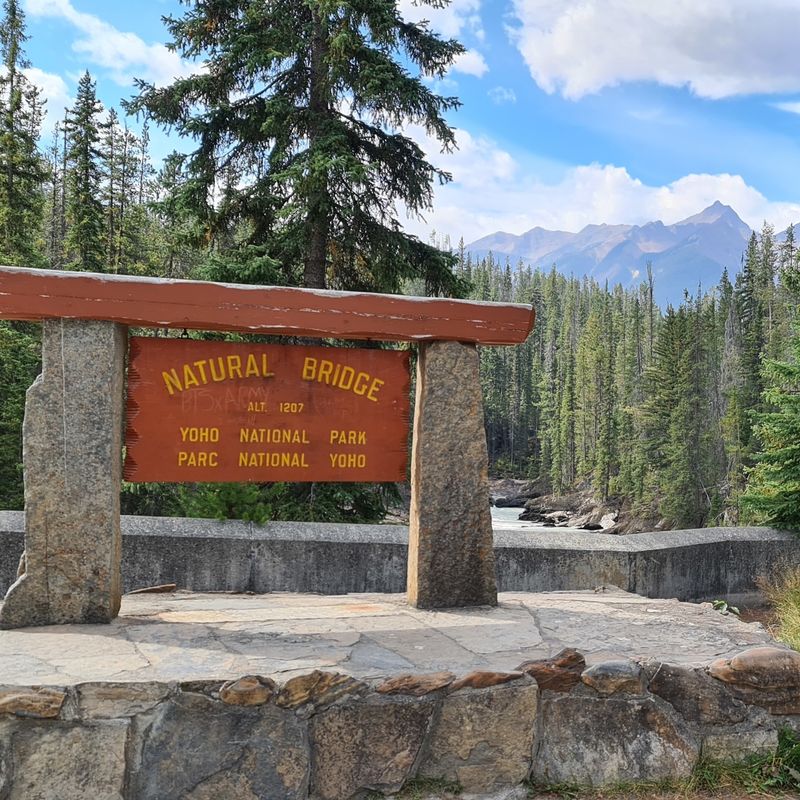
Natural Bridge
Carved by the Kicking Horse River, the Natural Bridge is a unique rock formation that makes for a great photo opportunity and a peaceful place to enjoy the river's flow.
The Burgess Shale
The Burgess Shale is a unique feature of Yoho National Park. This fossil-bearing deposit is famous for its exceptional preservation of dinosaur fossils that are 508 million years old, offering a rare glimpse into an ancient past that existed here. In 1909, palaeontologist Charles D. Walcott made the groundbreaking discovery of the Burgess Shale fossils that shed new light on Earth's ancient history and evolution.
Trans-Canada Highway
You can wind your way through the park on the Trans-Canada Highway. In fact, at Kicking Horse Pass, the highest point of this highway is reached - 1627 metres. Watching over your journey are the Waputik Mountains, a range covering 1,069 square kilometres. Many of the highest peaks are heavily glaciated, which might explain the name Waputik, which means 'white goat' in Stoney, an Indigenous language.

The many waterfalls of Yoho National Park
Wapta Falls
Popular sights in Yoho National Park include the many powerful waterfalls that roar throughout the land. Wapta Falls is the largest waterfall of the Kicking Horse River - about 18 metres high and 107 metres wide. There is an easy five-kilometre hike to reach it.
Takakkaw Falls
Takakkaw Falls is the second-tallest waterfall in Canada, with a total height of 373 metres. The falls are fed by the meltwater of the Daly Glacier, which is part of the Waputik Icefield. At their peak in late spring after the heavy snow melts, a visit to see the Takakkaw Falls is easily a very popular activity.

Activities
Explore the Rockies from different perspectives with a variety of activities. Thrill seekers can go mountain biking on any number of trails, whereas those looking for a more relaxed experience have their choice among everything from scenic drives to wildlife photography.
Hiking trails
Hike along the famous Iceline Trail for breathtaking views of glaciers and mountain landscapes. Hike around Emerald Lake with its unique turquoise colour or explore this incredible landscape by canoe. Follow the Kicking Horse River, which leads to Wapte Falls and the Natural Bridge, or hike the Hoodoo Creek trail and see the extraordinary Leanchoil Hoodoos. With its iconic rock pillars, this natural phenomenon is one of the top attractions in Yoho National Park.
Boating and water sports
The park offers several pristine lakes and waterways that are perfect for paddling adventures. The vibrant waters of Emerald Lake make for a stunning backdrop as you paddle across the lake. For those seeking something more adventurous, whitewater kayaking on the Kicking Horse River provides thrilling opportunities. Wapta Lake offers a quieter and less crowded paddling experience. It's a great place for a peaceful day on the water surrounded by mountains.

When is the best time to visit?
To see the lake at its peak, you should visit from late spring to early autumn. In fact, the lake often freezes over completely in the winter.
Summer
Summer is the peak tourist season when the weather is generally mild, and most hiking trails and attractions are accessible. However, be prepared for crowds, and consider making reservations for activities and accommodation well in advance.

Spring
Spring time is a fascinating period of transition in the park. Some trails may still be snow-covered, but it's a quieter time to visit if you prefer solitude.
Autumn
Autumn brings vibrant foliage as the park's forests change colour. This is an excellent time for photography enthusiasts, and hiking is still possible throughout most of the park in early autumn. There are also fewer visitors compared to the peak summer months.
Yoho National Park is a treasure trove of natural beauty and historical significance. From its awe-inspiring landscapes and outdoor activities to its intriguing history and commitment to conservation, Yoho offers a unique and unforgettable experience for all who venture into its pristine wilderness.