The Great Bear Rainforest
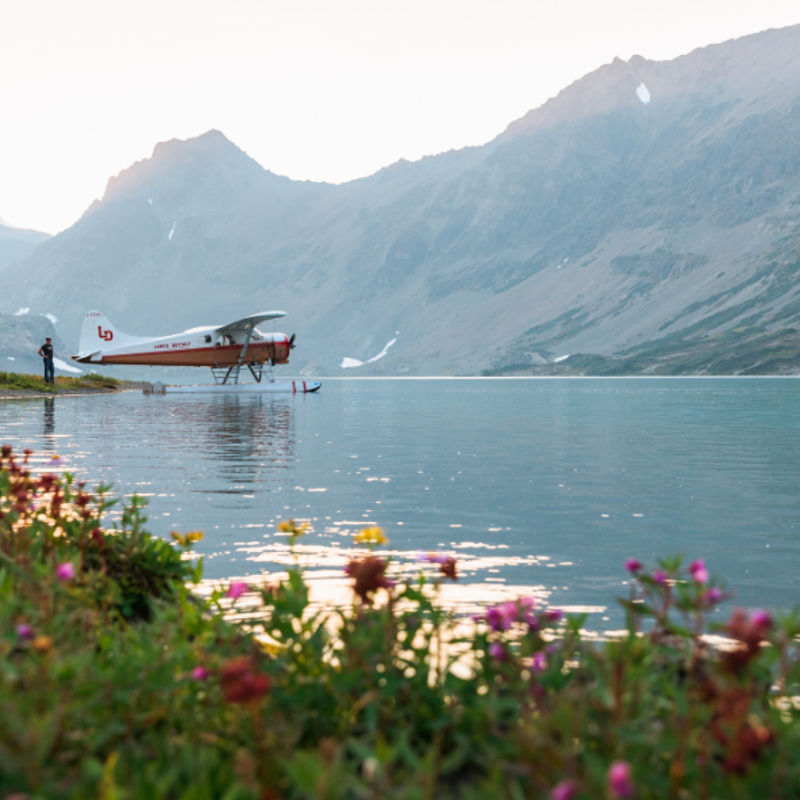
In western Canada’s fjords, the Great Bear Rainforest is a vast BC wilderness of ancient cedar trees, rushing rivers and rare wildlife. Travel by boat or seaplane for the chance to see grizzlies, black bears and elusive Spirit bears amid spectacular coastal scenery and First Nations culture.

Welcome to the Great Bear Rainforest
One of the most special places on earth, the Great Bear Rainforest in British Columbia, Canada, is a vast expanse of pristine wilderness the size of Ireland. This forest has been protected for millennia by the Indigenous people of the region, and is the last intact temperate rainforest in the world.
What makes it so special?
There is nowhere else on earth where you can spot the infamous Kermode white bear, also known as ‘Ghost Bear’ or 'spirit bear'. The rainforest is also home to grizzly bears, wolves, and more, and in the waters surrounding it, you’ll find otters, whales, and dolphins. Stretching over 600 kilometres along the north coast of the province of British Columbia, from Knight Inlet to the Alaska Panhandle, this pristine wilderness is a sanctuary of lush landscapes, diverse wildlife, and a rich cultural history.
Ecology of the rainforest
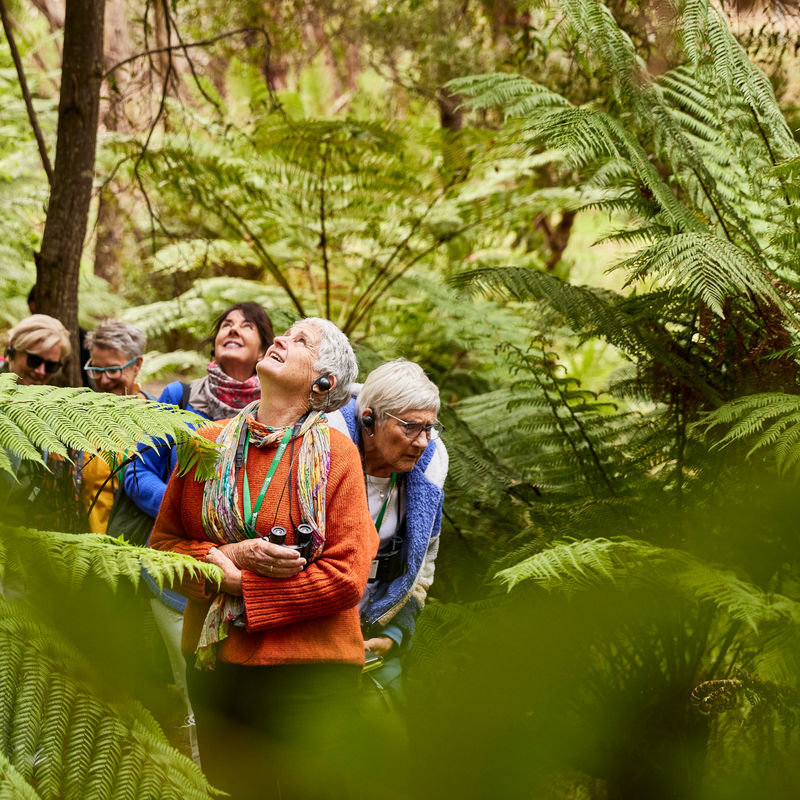
Its unique combination of coastal and terrestrial ecosystems creates a haven for an extraordinary range of plant and animal species, that is primarily accessible by boat or seaplane. Spanning an impressive 6.4 million hectares, the Great Bear Rainforest is not only one of the world's largest temperate rainforests but also a biodiversity hotspot.
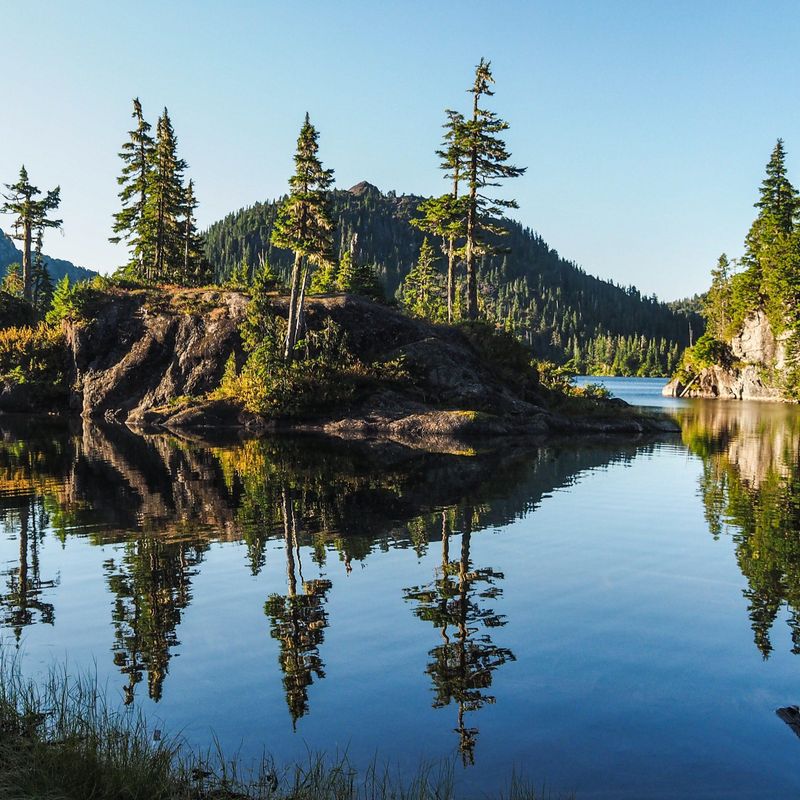
Towering ancient trees, including towering Western Red Cedars and Sitka Spruces, form a lush canopy that provides habitat and sustenance for creatures ranging from majestic grizzly bears to the elusive spirit bears.

Conservation Efforts
The Great Bear Rainforest has a history deeply intertwined with conservation. Over the years, dedicated efforts, especially from First Nations in the area, have been made to protect this invaluable ecosystem from unsustainable practices.
In 2016, a groundbreaking agreement was established between Indigenous nations, environmental organizations, and the provincial government. The agreement ensured that 85% of the forested area is strictly protected, while sustainable economic development is allowed in the remaining 15%. This achievement stands as a model for collaborative conservation on a global scale.

Cultural significance and history
The Great Bear Rainforest is also steeped in the cultural heritage of Indigenous and First Nation communities, particularly the Kitasoo/Xai’xais, Heiltsuk, and Wuikinuxv nations. These Indigenous peoples have maintained a deep connection with the land and its inhabitants for countless generations. Their cultural practices and stories are interwoven with the very fabric of the rainforest, enriching the visitor's experience with insights into age-old traditions and sustainable coexistence with nature.
Indigenous Stewardship
The Indigenous and First Nation communities that have inhabited these lands for millennia have played a pivotal role in safeguarding the rainforest's health. Their traditional ecological knowledge and spiritual connection to the land have been instrumental in maintaining the delicate balance of the ecosystem. By recognizing the importance of Indigenous stewardship, conservation efforts have been bolstered, leading to a more holistic approach to safeguarding the rainforest's future.

Activities and things to do
For wildlife enthusiasts, the Great Bear Rainforest is a dream come true. The area is renowned for bear viewing, where lucky visitors can witness grizzlies and Spirit bears feasting on salmon during the annual salmon run. Whale watching is also a must-do activity while around Vancouver Island and the west of British Columbia. Guided tours offer a chance to observe these magnificent creatures in their natural habitat while ensuring minimal impact on their environment. Keep your camera ready to capture these unforgettable moments!
Exploration by Water
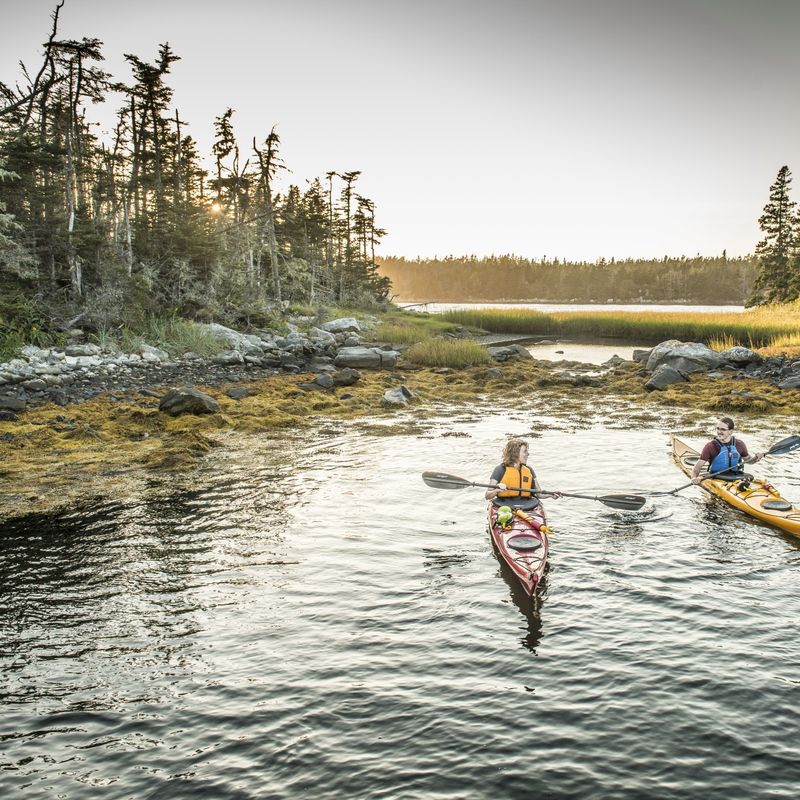
The rainforest's intricate network of fjords, inlets, and Pacific coastal waterways invites exploration by boat or kayak. Gliding through these serene waters provides a unique perspective of the lush landscapes, and you might even spot orcas, humpback whales, and sea lions along the way. Guided kayak tours offer an intimate connection with the environment and the chance to appreciate its intricate beauty up close. The forest's proximity to Vancouver Island also make it accessible via boat to Port Hardy or even Tofino.
Spot diverse wildlife
Towering ancient trees, including towering Western Red Cedars and Sitka Spruces, form a lush canopy that provides habitat and sustenance for creatures ranging from majestic grizzly bears to elusive spirit bears – which is actually a rare subspecies of black bear with a distinctive creamy-white coat. Other inhabitants include wolves, eagles, salmon, and a plethora of marine life that contributes to the intricate balance of the ecosystem.
The Great Bear Rainforest is a testament to the beauty, resilience, and interconnectedness of our planet's ecosystems. Its pristine landscapes, rich biodiversity, and cultural significance make it a destination unlike any other, and stands as a testament to the awe-inspiring beauty and ecological significance of our natural world.

The best time of year to visit
Summer
The summer months (June to August) bring warmer temperatures and longer daylight hours, creating ideal conditions for outdoor activities like hiking, kayaking, and wildlife viewing.
Autumn
The fall months (September to October) unveil a different kind of magic as the rainforest's lush foliage transforms into a stunning tapestry of red, gold, and orange. This time of year is perfect for those seeking quieter moments to enjoy the scenery and reflect on the wonders of nature.
Whether you're looking for wildlife encounters, are eager to explore the rainforest by kayak, or simply yearning for a deeper connection with nature, this enchanting haven promises an unforgettable journey.