Native American traditions and heritage
Learning about the histories, cultures and contemporary lives of Indigenous communities can be a meaningful part of your journey through the United States. The country is home to hundreds of distinct Native nations, each with its own government, history, language and cultural traditions.

Community-led tours and experiences offer the opportunity to learn directly from Native hosts and guides. You might hear stories connected to the surrounding landscape, visit important cultural sites or discover how Indigenous knowledge, art and traditions continue to shape communities today.
Whenever possible, we recommend choosing experiences led or owned by members of the nation whose story is being shared. This helps ensure that visitors receive an informed, first-hand perspective while supporting local communities.

The history of the Native Americans: a brief overview
Indigenous communities have lived across what is now the United States for thousands of years. Long before European colonisation, numerous nations had established complex societies, governments, trade networks and cultural traditions. Communities developed different ways of living in response to their surroundings, from farming and fishing to hunting, trade and skilled craftsmanship.
In the 16th century, colonisation by European powers began, leading to profound changes and often disastrous consequences for Indigenous peoples. Land loss, disease and wars drastically reduced population numbers and destroyed many traditional ways of life.
Despite these profound injustices, Native nations remain living, self-governing communities that continue to sustain their cultures, languages and traditions. Museums can provide helpful context, but Native-owned cultural centres and experiences led by Indigenous guides often offer the most valuable insight into their histories, homelands and contemporary lives.

The diversity of nations
The USA is home to a remarkable variety of Indigenous nations and tribes, each with its own unique culture, language and traditions. Here are some of the more significant tribes and nations:
1. The Navajo (Diné) Nation: Known as the largest nation in the USA, the Navajo live primarily in the south-west, in the states of Arizona, Utah and New Mexico. Their culture is closely interwoven with the desert and the landscapes there. Visits to the Navajo Nation reservation provide insights into their craftsmanship, such as weaving and silversmithing, as well as their deeply spiritual rituals and ceremonies.
2. The Cherokee Nation: Originally native to the south-east of the USA, the tribe was forced to relocate to present-day Oklahoma by the "Trail of Tears". The Cherokee have a rich history and a vibrant culture that lives on in their languages, dances and the famous Cherokee script. Visitors can visit historic sites and museums that preserve the history and heritage of this resilient people.
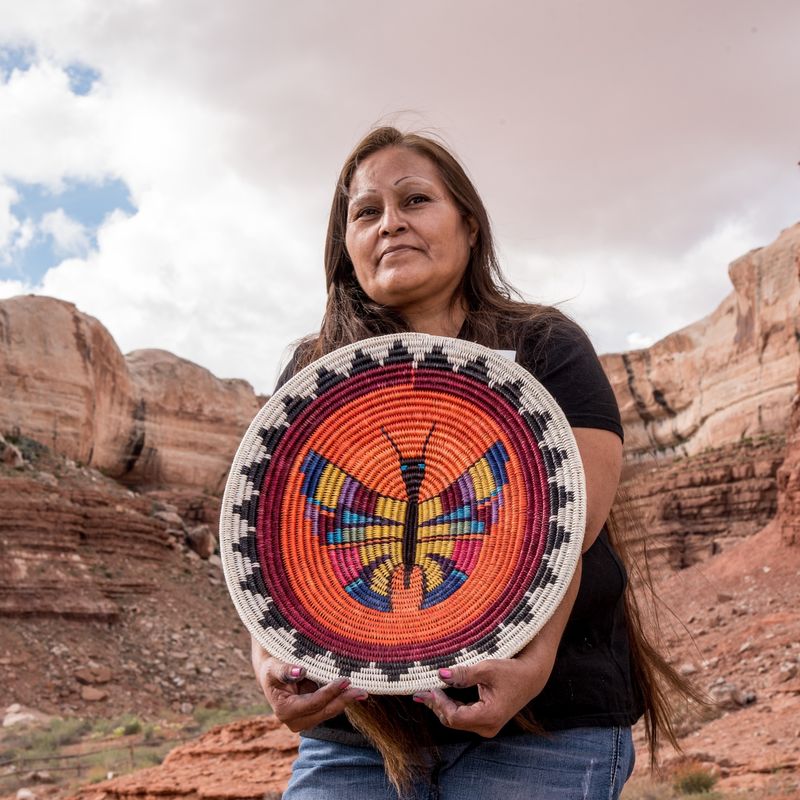 © Utah Office of Tourism
3. Lakota, Dakota and Nakota communities: Lakota, Dakota and Nakota are related but distinct communities whose ancestral homelands extend across parts of the Great Plains. Several sovereign Tribal Nations represent their communities today.
The Black Hills of South Dakota, known to the Lakota as He Sapa, hold profound spiritual and cultural significance. The region remains central to discussions about Indigenous land rights, treaties and sovereignty.
When travelling through the Great Plains, Native-led tours and cultural centres can offer a more informed understanding of local history, the landscape and contemporary Tribal life. These experiences are generally more representative than relying on monuments or attractions developed without direct community leadership.
4. Pueblo peoples: The Pueblo peoples are a group of Nations and tribes that live in the Southwest of the USA, particularly in New Mexico and Arizona, including the Hopi and Zuni, that share a common heritage and language groups. Known for their unique adobe buildings, these communities traditionally lived in permanent, often multi-storey adobe structures that have characterised their villages for centuries.
Museums
To experience the history and culture of the Native Americans up close, there are numerous museums and monuments across the United States that present extensive collections and exhibitions on this topic and should not be missed on your trip to the USA:
1. National Museum of the American Indian: For the world's largest exhibit on Indigenous Americans, head to Washington, D.C., at the National Museum of the American Indian. This museum highlights the history of more than 1,200 Indigenous cultures. Other popular museums include the Cherokee Heritage Center in Park Hill, Oklahoma, and the Heard Museum in Phoenix, Arizona.
2. Heard Museum: The Heard Museum in Phoenix, Arizona, is internationally recognised for its outstanding collections and exhibitions that focus on the art and culture of the indigenous peoples of the Southwest. Regular special exhibitions and cultural events enrich the programme.

3. Museum of Indian Arts & Culture: This museum in Santa Fe, New Mexico, offers extensive exhibits on the history and culture of the Puebloan peoples and other tribes of the Southwest. Interactive displays and cultural events make the visit particularly impressive.
4. The Eiteljorg Museum of American Indians and Western Art: The Eiteljorg Museum in Indianapolis, Indiana, brings together the art and history of Native Americans and the American West. It offers an in-depth look at the lifestyles, traditions and artworks of indigenous peoples.
5. Crazy Horse Memorial: Crazy Horse Memorial, located in the Black Hills of South Dakota near Mount Rushmore, is an ongoing project that aims to create a larger-than-life sculpture of Lakota leader Crazy Horse astride his horse. Spearheaded by sculptor Korczak Ziolkowski and continued by his family, the memorial stands as a symbol of Indigenous resilience and culture.

Powwows and celebrations
What is a powwow?
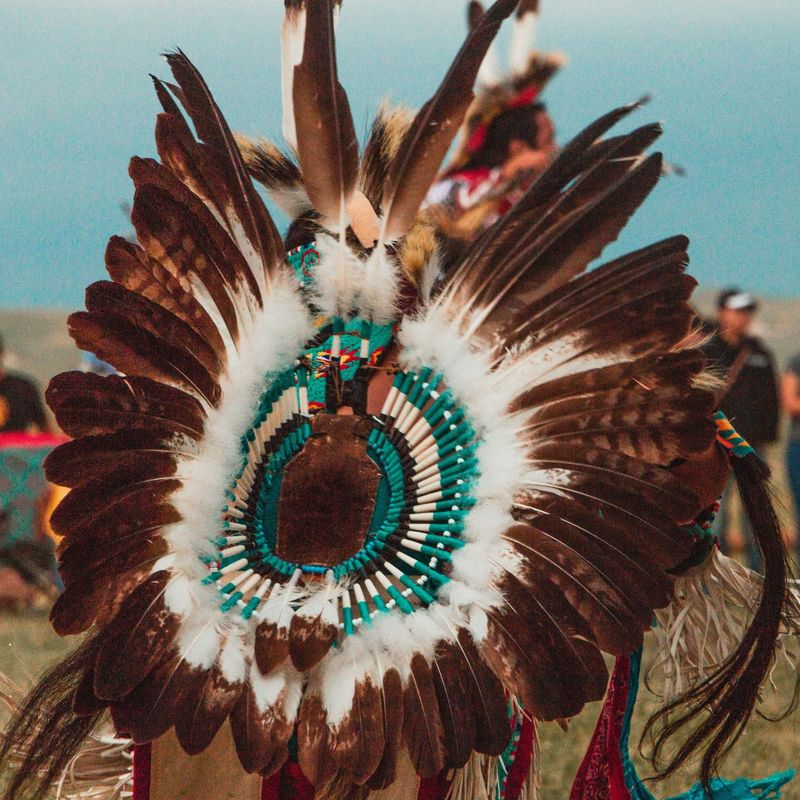
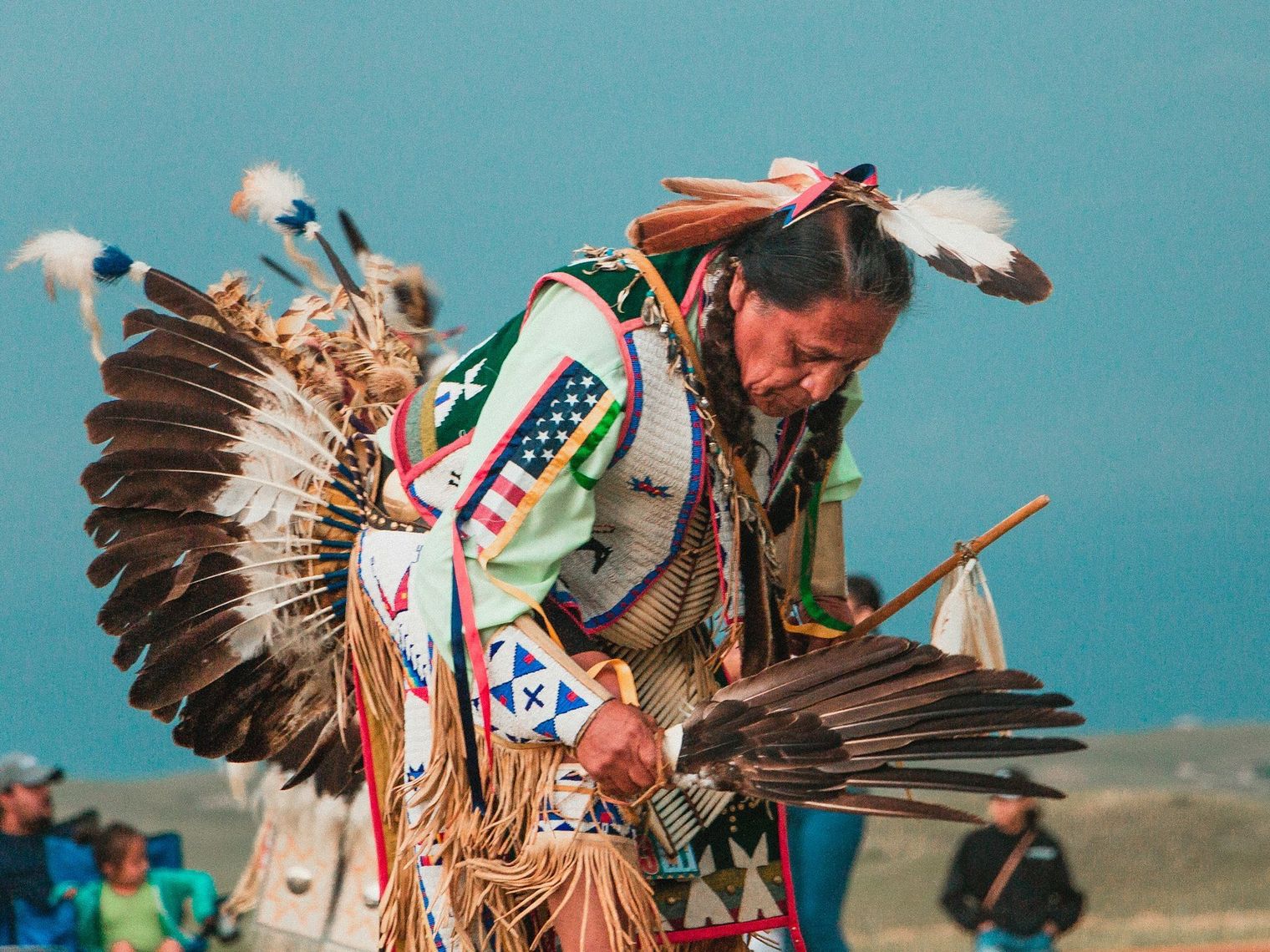
A powwow is a traditional Native American gathering where they celebrate their culture, music, dances and community. These colourful and festive events are deeply rooted in the traditions of the various tribes and serve as both social gatherings and opportunities to share and honour cultural practices. Powwows, may include dances in traditional dress, drum groups, Native food vendors and markets selling work by Indigenous artists. Powwows are not just festivals but also an expression of the pride and vitality of indigenous cultures.
Indigenous tours and experiences with Little America
Our tailor-made holidays to the United States are designed to give you an authentic and respectful insight into the lives and history of Native Americans. By working with indigenous hosts and guides, we offer you the opportunity to learn directly from the people who have inhabited and shaped these lands for centuries. You will discover how the past and present of Native Americans are intertwined and the significant role they play in the preservation and transmission of their cultural heritage.
Indigenous land
Visiting Tribal lands can be a meaningful part of your journey through the United States. Some Native nations welcome visitors through community-led tours, offering the chance to explore remarkable landscapes and learn about their history, culture and enduring connection to the land.