Antelope Canyon, Arizona

This slot canyon offers a surreal and breathtaking experience as you venture through its narrow passages, adorned with sculpted sandstone walls and illuminated by ethereal beams of light. Antelope Canyon is a slot canyon that is a mesmerizing natural wonder that has captivated the hearts of photographers and travellers from around the world.

Experience this geological marvel up close

Learn more about the geological and cultural history on a tour
Welcome to Antelope Canyon
It is important for travellers to note that Antelope Canyon is on the private land of the Navajo Nation near Page in Arizona. Therefore, in order to ensure land preservation and deeper understanding of the geological history and cultural significance of the land, a guided tour is required. The canyon is divided into two sections where you can take a tour: the Upper Antelope Canyon and the Lower Antelope Canyon. Both offer their own unique charm.
Upper Antelope Canyon
Also known as "The Crack" or "The Corkscrew," this section is famous for its smooth, flowing walls and the iconic light beams that penetrate the narrow canyon openings during certain times of the day. As the sun aligns with the openings above, it casts a magical glow, creating a dreamlike atmosphere that is a photographer's paradise. The breathtaking swirls and curves of the sandstone walls are a sight to behold and offer countless opportunities for stunning compositions.
Lower Antelope Canyon
This lower section offers a different perspective with its ladders and stairways that lead you through its narrow passageways. Here, you'll discover intricate rock formations, captivating patterns, and vibrant hues that result from the interplay of light and shadows. The Lower Antelope Canyon is known for its distinct features, such as the famous "Heart" and "Pirouette" formations, which add to its allure.

Sunlight and shadows create mesmerising displays
Photography
Antelope Canyon is one of the most photographed sites in the American Southwest. If you're a photography enthusiast, don't forget to bring essential gear such as a sturdy tripod, a wide-angle lens, and lens cloths to capture the canyon's stunning beauty.
Join a tour
Join a guided photography tour led by knowledgeable local guides who can provide insights into the best camera settings, composition techniques, and help you navigate the canyon's unique lighting conditions. These tours ensure that you capture the most stunning shots and make the most of your time in the canyon.
Best time of day
The best time to capture the iconic light beams in the Upper Antelope Canyon is during the mid-morning to early afternoon, when the sun is high. For the Lower Antelope Canyon, the morning and late afternoon offer softer lighting conditions. Be sure to plan well in advance in order to ensure you are there with enough time.
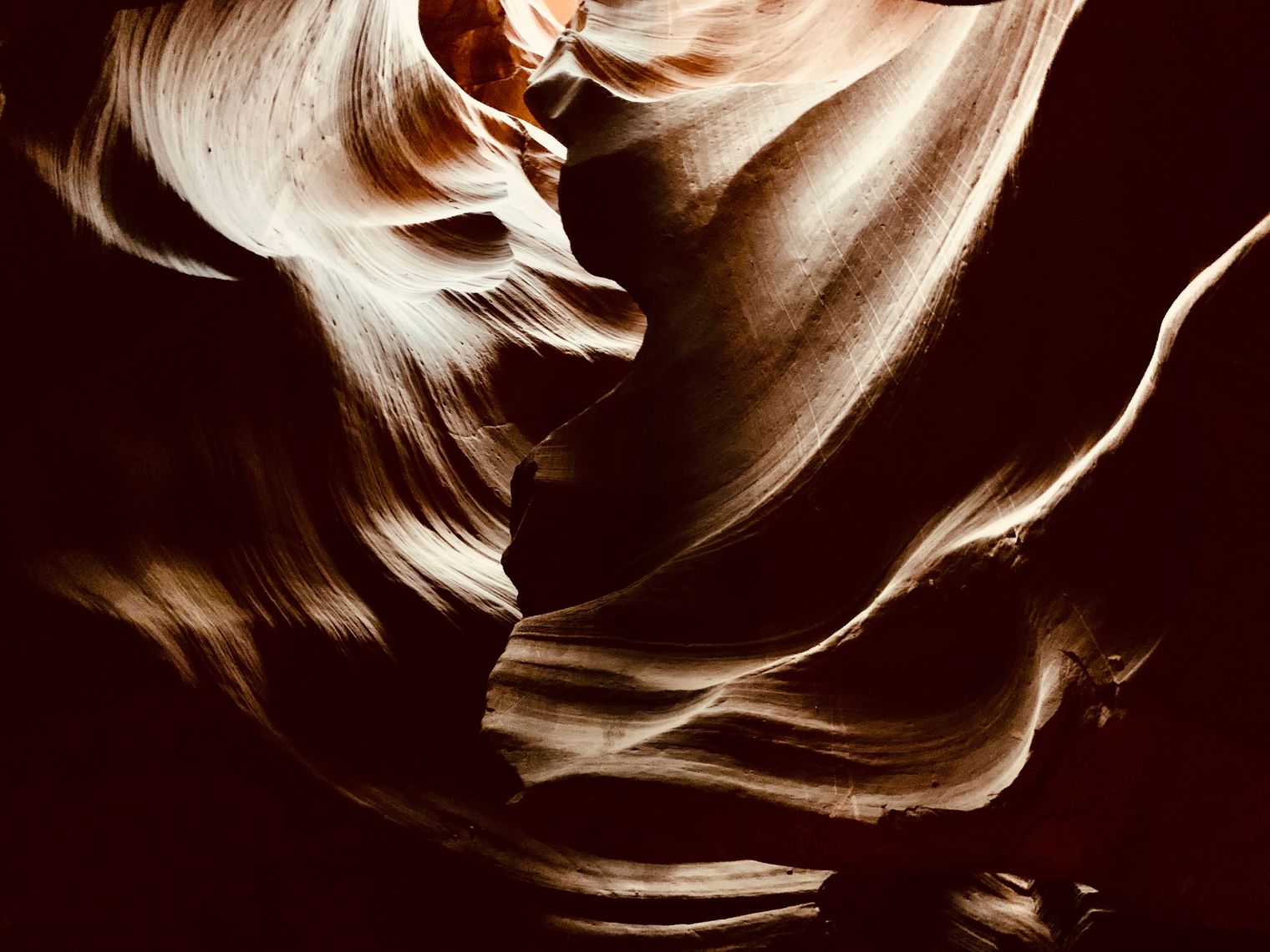
The canyon is made of sandstone that has eroded by flood waters

It's the perfect place for both amateur and professional photographers alike
Climate: the best time to visit
Antelope Canyon experiences a desert climate, characterized by hot summers and mild winters. To make the most of your visit, it is recommended to plan your trip during spring or autumn, when the temperatures are more moderate.
During summer, temperatures can soar above 38° C, and the canyon can become crowded with tourists. It's important to stay hydrated and dress appropriately for the weather, wearing lightweight and breathable clothing.